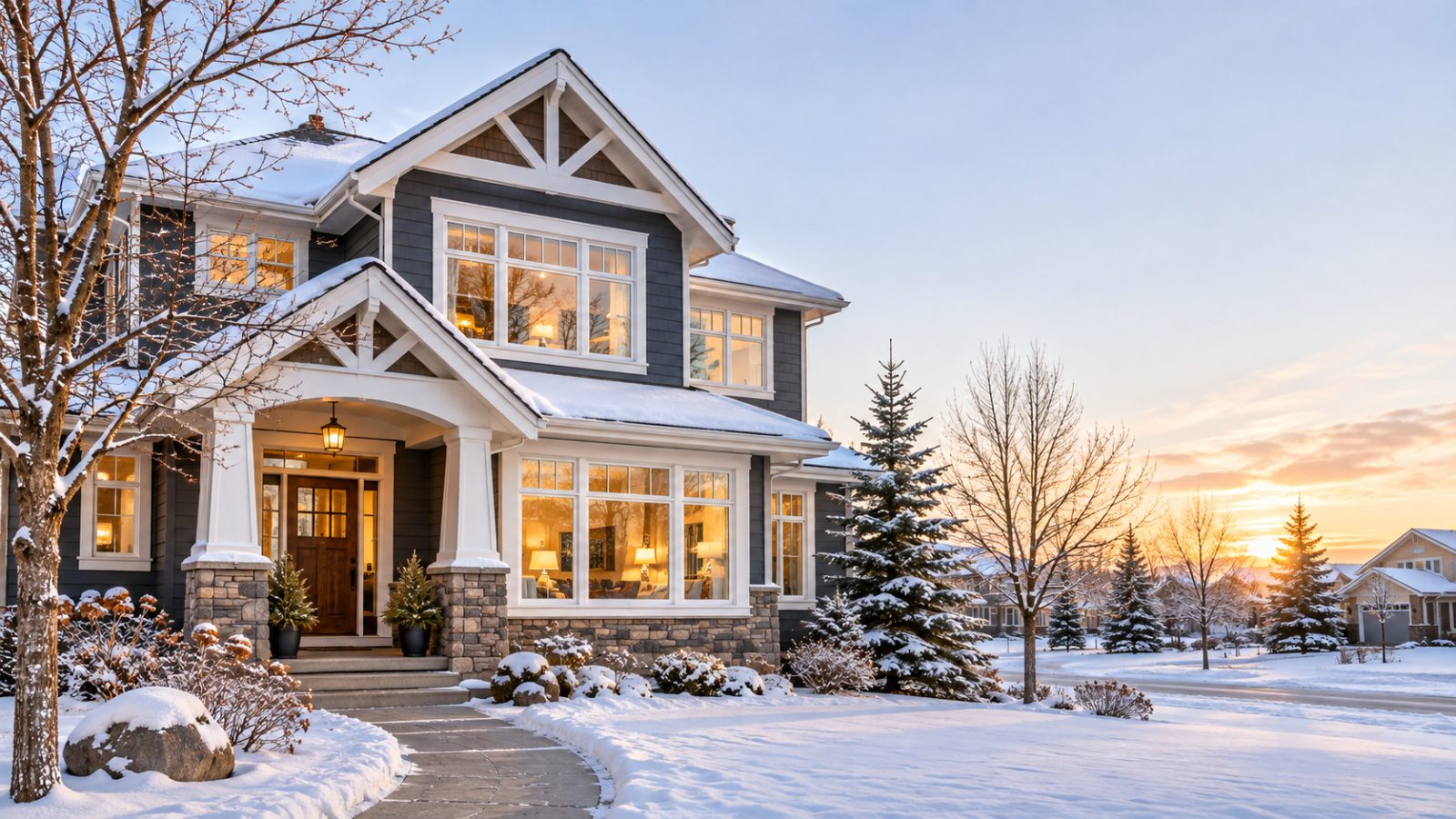
Look Beyond the Existing Frame
Full Frame Window Replacement in Sherwood Park
Arrange an assessment of your existing window openings. Get a Free Estimate
Full frame window replacement involves removing the existing window assembly rather than retaining its surrounding frame for a new insert. This approach allows greater access to the opening and can be appropriate when original components have deteriorated or a previous installation needs comprehensive attention.
Older Sherwood Park homes may contain wood frames, outdated perimeter insulation or exterior materials that require careful removal and restoration. Full frame replacement provides an opportunity to investigate these conditions while installing a new window.
We help homeowners arrange an assessment so the contractor can determine whether complete removal is suitable for the property.
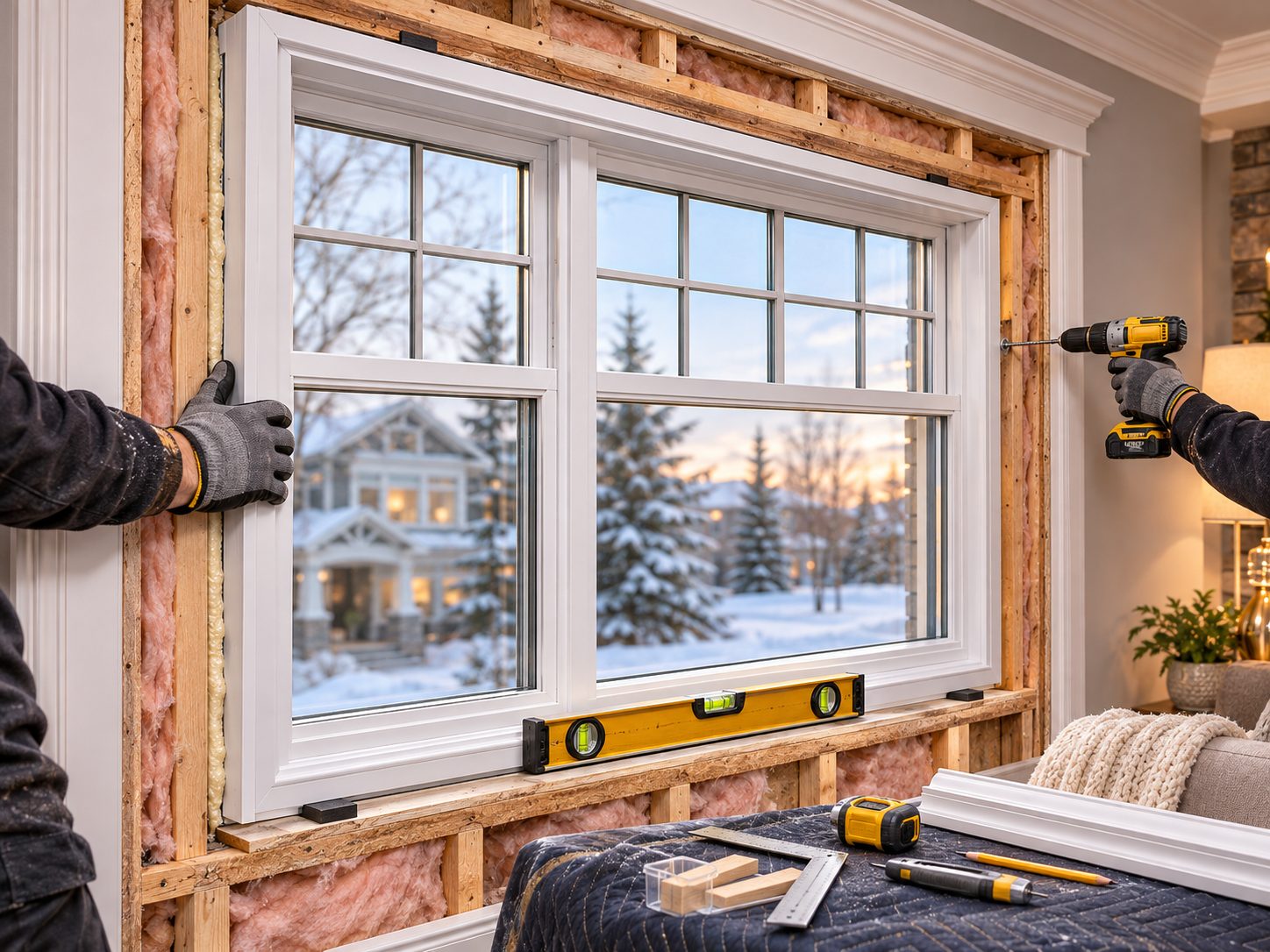
The objective of full frame replacement is to establish a suitable connection between the new window and the existing wall. This makes the condition of the rough opening, exterior drainage materials and interior finishes particularly important.
Full frame replacement generally involves removing the sash, glass and surrounding window frame. Depending on the original construction, portions of interior casing, exterior trim or adjacent materials may also need to be disturbed to provide sufficient access. Removal procedures should account for materials that are intended to remain. Older finishes can be difficult to match, and some may be vulnerable to damage during the work. Discuss what will be protected, replaced or restored before the installation begins, especially if the window sits within recently renovated rooms.
Once the original assembly has been removed, previously concealed areas of the opening become accessible. These may reveal deteriorated wood, gaps in insulation, water staining or unsuitable materials from earlier renovation work. Conditions cannot always be fully established during an initial visual inspection. The contractor should determine whether the opening is suitable for the proposed replacement and explain any additional concerns. Structural deterioration or ongoing moisture problems may require separate evaluation and repairs. Agree on a process for documenting and approving unexpected work before removal takes place.
The gap between a replacement frame and the surrounding opening needs an insulation and air-sealing approach suited to the assembly. Inadequate treatment of this area can contribute to uncomfortable interior surfaces or unwanted air leakage despite efficient glass and frame specifications. Appropriate installation materials should be compatible with the window manufacturer and existing wall construction. The contractor must also avoid interfering with frame alignment or intended drainage pathways. Ask how the perimeter will be insulated and how the connection to the surrounding air-control materials will be established.
Windows interrupt the exterior wall and need suitable details to manage water around their perimeter. Full frame replacement provides an opportunity to improve accessible flashing and drainage connections where the original construction and installation scope allow it. Different exterior materials require different approaches. Siding, stucco and masonry cannot always be treated using identical finishing procedures. The contractor should explain how the proposed window will connect to the surrounding exterior and identify any adjacent materials that require removal, repair or replacement.
A complete frame replacement can change the depth, profile and appearance of the interior window perimeter. Existing casing may sometimes be reusable, while other installations require new trim, extensions or drywall repairs. Frame colour and visible glass area may also differ from the original assembly. Clarify whether painting, staining or other decorative work forms part of the agreement. Reviewing samples or product details beforehand can help you understand how the replacement will fit with existing interior finishes. Consider adjacent window coverings as well, since altered frame dimensions may affect their compatibility.
Requests can identify damaged wood, recurring drafts and other symptoms that warrant evaluation beyond the visible glass.
Discuss which original materials will be removed and what surrounding finishes the contractor proposes to restore.
The initial conversation can include how unexpected opening damage will be assessed and approved.
Find out whether your existing openings would benefit from complete frame removal and a more comprehensive installation approach.
Free — no obligations
Describe deterioration, recurring moisture, gaps or previous installation problems when contacting us.
The contractor evaluates accessible construction details and establishes a proposed replacement method.
Confirm what removal, insulation, flashing, trim and related restoration are included.
The contractor exposes the agreed areas and discusses any newly discovered conditions requiring attention.

Interior casing often needs to be removed or disturbed to access the original assembly. Whether it can be reused depends on its condition, attachment method and compatibility with the new window.
Full frame replacement can sometimes avoid the additional frame layers associated with insert installations. The final glass area still depends on the selected product and opening dimensions.
Damage may be concealed behind trim, cladding or the original window frame. An initial inspection can identify warning signs, but the full condition may only become clear during removal.
Changes to the interior frame dimensions or mounting surfaces may affect existing window coverings. Review their measurements and attachment requirements before choosing the replacement configuration.